Spiritual Vision Board Examples
Seven example boards for an inner life, whatever your tradition, path or practice. Each pairs a feeling with a small daily practice.
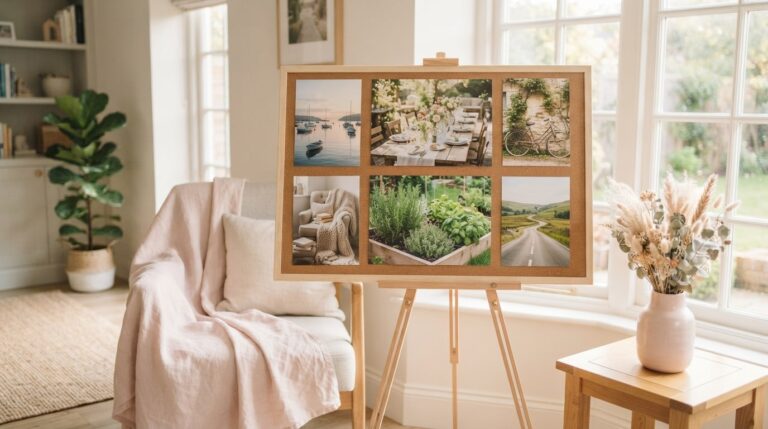
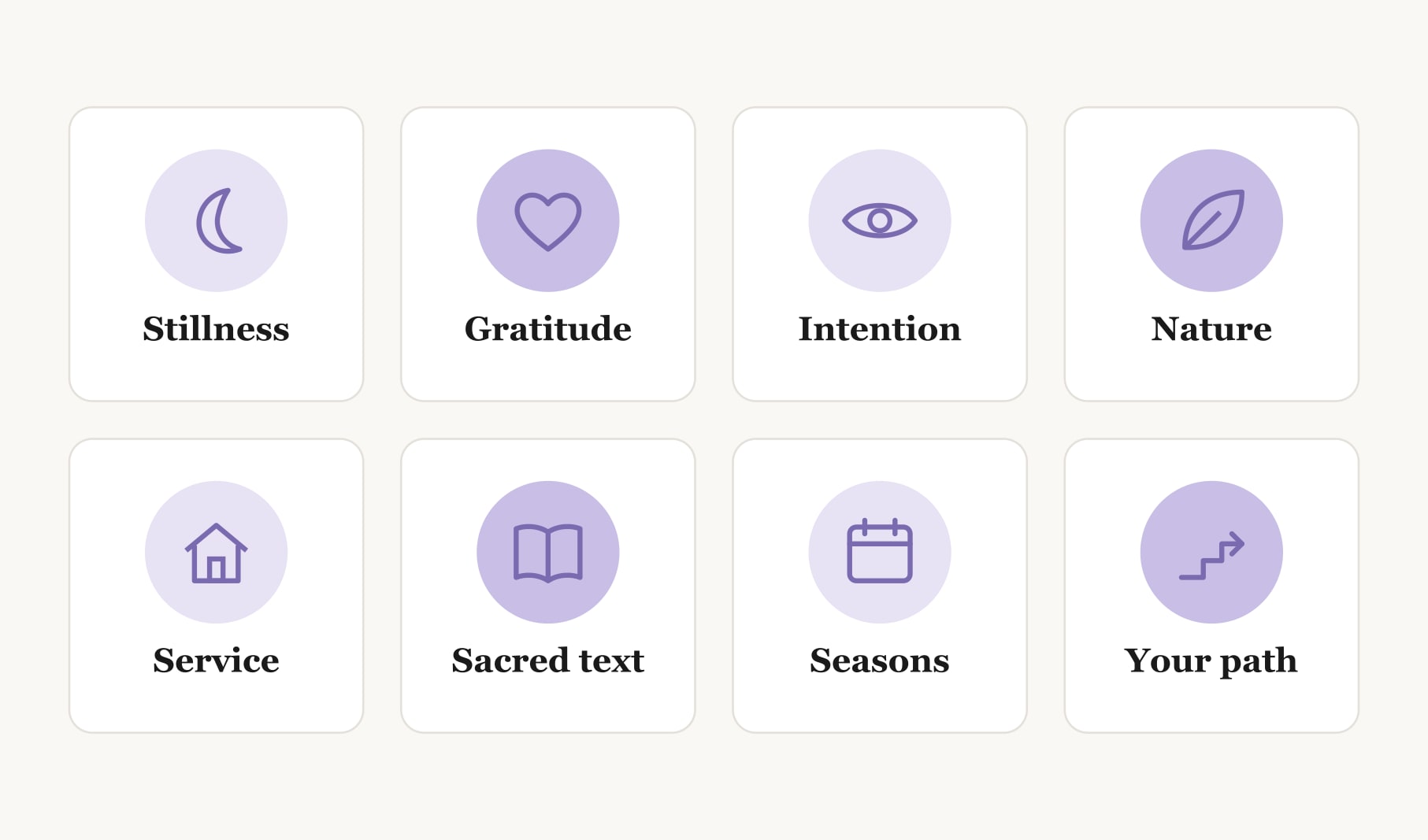
Spiritual vision board examples fit any tradition, or none: a stillness board for prayer or meditation, a gratitude board, an intention-setting board, a nature connection board, a service board, a sacred text board with lines from your own tradition and a seasonal board marking your holy days. Each pairs inner goals with small daily practices.
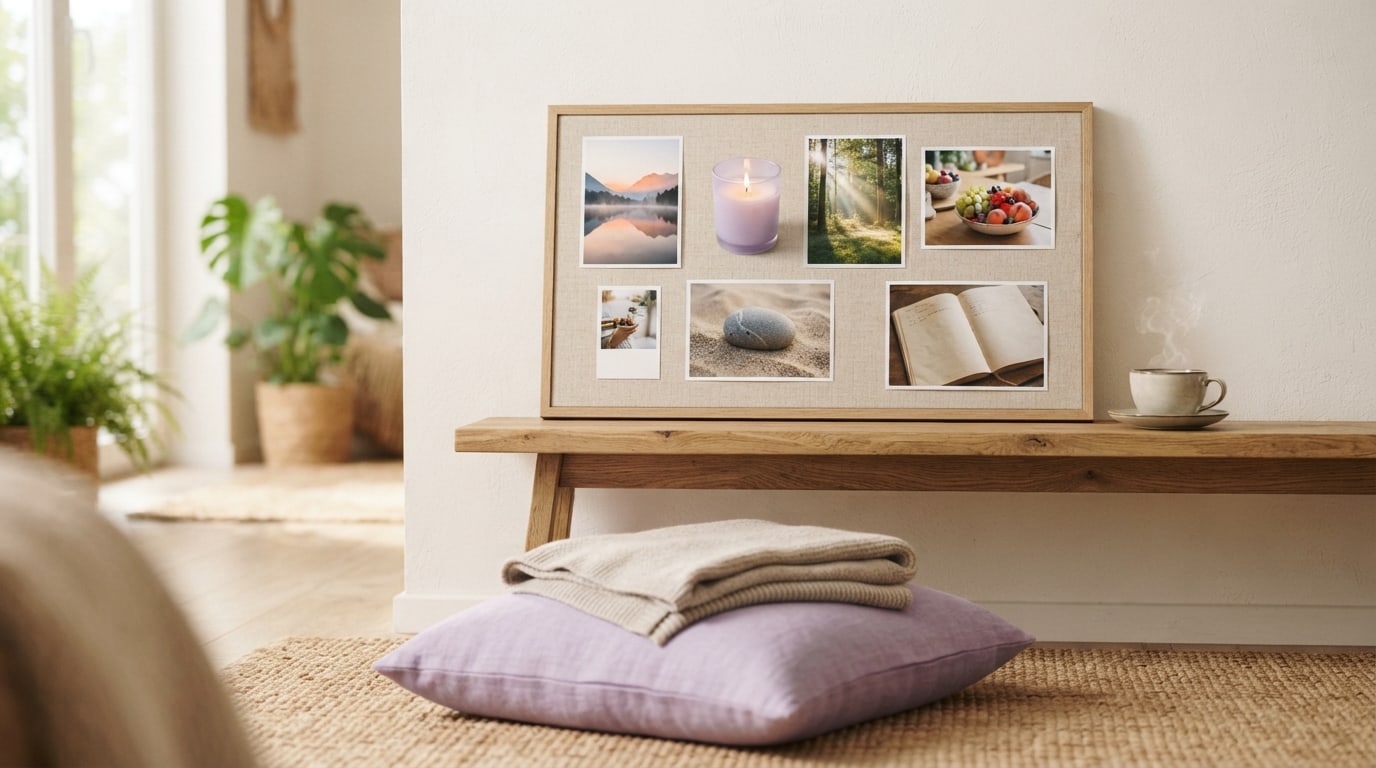
A spiritual board looks inward as well as forward. Instead of only picturing what you want to have, it pictures who you want to be and how you want to live. These spiritual vision board examples are written for any tradition, or for none. Whether your practice is prayer, meditation, contemplation, ritual, time in nature or simply a wish to live with more meaning, you will find a shape here that fits.
Every example uses the language of your own path. Where I say “prayer or meditation”, use the word that is right for you, and fill each board with the texts, places and rhythms of your own tradition.
What do spiritual vision board examples have in common?
They pair an inner goal with a small daily practice. “More peace” becomes “ten quiet minutes each morning”. “More compassion” becomes “one kind act a day”. They hold goals lightly, as intentions rather than demands. And they leave space for gratitude, which almost every tradition honours in some form.
Example 1: what does a stillness board look like?
A stillness board pictures the quiet you want to make room for. A floor cushion in morning light. A lit candle. A calm lake. A chair by a window. Under each, a practice: “ten minutes of prayer or meditation before breakfast”, “a quiet walk without headphones”, “a pause before every meal”. The board itself becomes a cue to stop and be still. A prayer vision board offers squares shaped for this kind of practice.
Example 2: what does a gratitude board look like?
A gratitude board pictures what you already have. Your home, the people you love, a meal on the table, a view you pass every day. Add a practice: “three things I am thankful for, each evening”. Gratitude shifts attention from lack to abundance, and keeping a short daily list in a gratitude tracker for your vision board makes it a habit.
Example 3: what does an intention-setting board look like?
An intention board pictures how you want to show up in the world, often with a manifestation or visualisation practice alongside. A sunrise for a fresh start. An open door for new opportunities. A path through a forest for direction. Each image carries an intention written as if it is already true, such as “I meet each day with patience”, and a small action that supports it. The manifestation vision board is built for this style.
Example 4: what does a nature connection board look like?
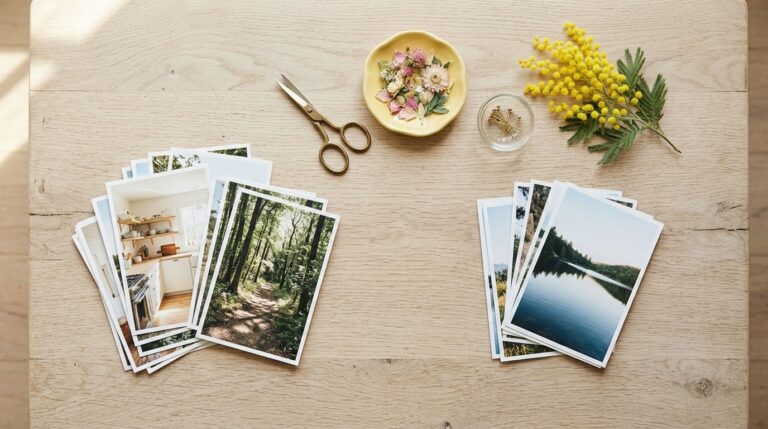
Many people feel most connected to something larger outdoors. This board pictures those places: a forest clearing with sunbeams, a smooth stone on a beach, a mountain at dawn, a garden in bloom. Practices might include “a weekly walk in the woods”, “watch the sunrise once a month” or “tend the garden on Saturdays”.
Example 5: what does a service and compassion board look like?
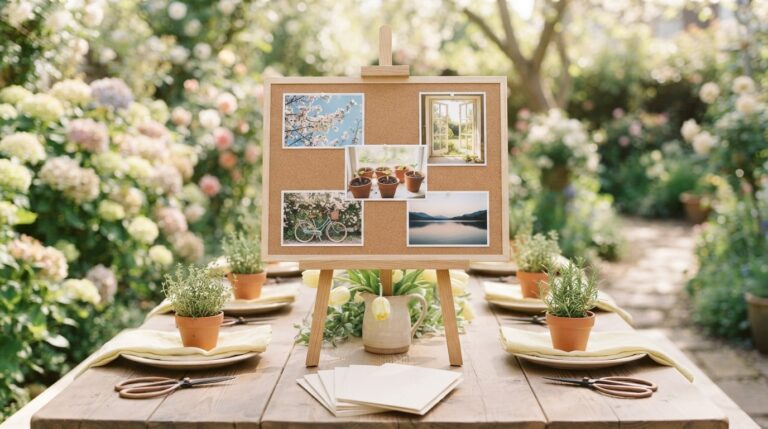
Every major tradition calls people to care for others. A service board pictures that care: a shared table for “cook for someone who needs it”, a community garden for “volunteer once a month”, a letter for “write to someone who is lonely”, an open hand of help for a cause you care about. Service keeps a spiritual board grounded in everyday kindness.
Example 6: what does a sacred text board look like?
A sacred text board holds short lines from the texts of your own tradition, chosen because they speak to this season of your life. Place one line beside each goal it supports. Copy each line carefully from a trusted edition, word for word, and note where it comes from. If your path has no single text, choose lines from writers or teachers who guide you, checking each one against its original source before you add it.
Example 7: what does a seasonal rhythm board look like?
Many traditions follow a calendar of holy days, fasts, festivals and seasons. A seasonal board gives each part of the year its own square, with a practice for each: a time of reflection, a time of celebration, a time of fasting or simplicity, a time of giving. It turns the year into a rhythm rather than a race, and it connects your goals to something older than any one year.
How do you make a spiritual board that fits your tradition?
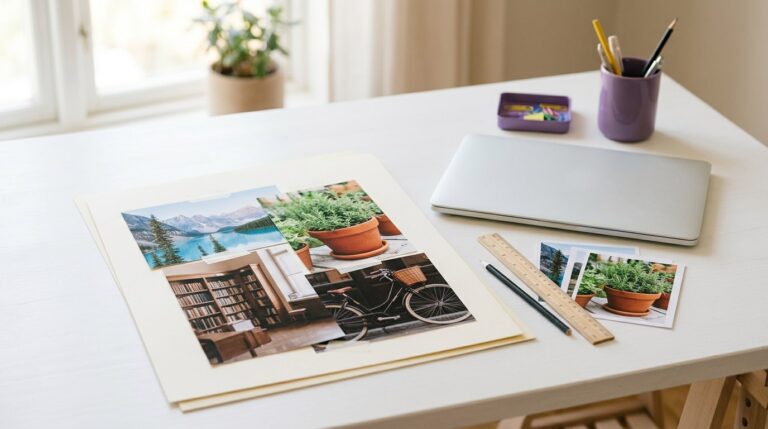
Start with your practice, not with pictures. Ask what helps you feel connected, and what you want more of in this season. Choose one or two of the examples above as a starting shape. Use the words, texts and imagery that belong to your path, and keep any symbols respectful and meaningful to you. Then add one small daily practice under each square. If you would like a broad starting layout, the life vision board leaves room for inner goals alongside everyday ones.
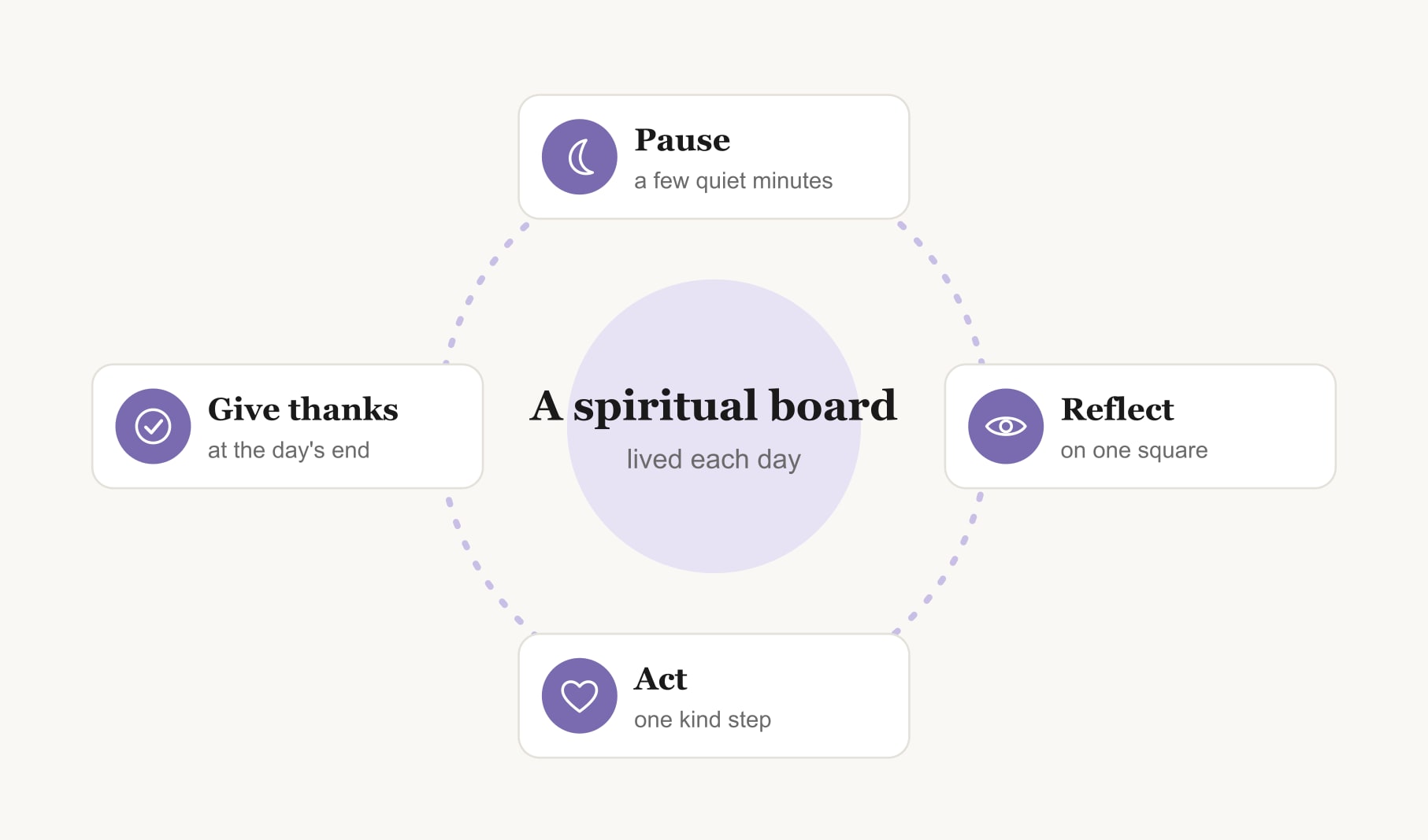
Live with the board in a simple daily rhythm: pause for a few quiet minutes, reflect on one square, take one kind step and give thanks at the end of the day.
Can a household with different traditions share a board?
Yes. Many homes hold more than one tradition, or a mix of faith and no faith. Give each person their own squares, in their own language and imagery, and agree on shared squares that everyone can stand behind: gratitude at mealtimes, a weekly walk outdoors, a family act of service. A shared board built on respect can be a quiet, beautiful thing to keep on the wall.
Keep reading
Spiritual vision board examples: your questions
Spiritual vision board examples include a stillness board for prayer or meditation, a gratitude board, an intention-setting board, a nature connection board, a service and compassion board, a sacred text board and a seasonal rhythm board. Each pairs an inner goal with a small daily practice.
Yes, a spiritual vision board can fit any religion or none. Use the words, texts, places and rhythms of your own tradition, and choose practices that feel right for you, whether that is prayer, meditation, contemplation, ritual or time in nature.
A gratitude vision board pictures what you already have: your home, the people you love, a shared meal and a view you pass every day. Add a daily practice, such as writing three things you are thankful for each evening, to keep gratitude active.
Choose short lines from the sacred texts of your own tradition that speak to this season of your life, and place each beside the goal it supports on your vision board. Copy every line word for word from a trusted edition and note where it comes from.
A seasonal rhythm vision board gives each part of the year its own square, following the holy days, festivals, fasts and seasons of your tradition. Each square holds a practice, such as reflection, celebration or giving, so the year has a meaningful rhythm.
Live with a spiritual vision board through a simple daily rhythm: pause for a few quiet minutes, reflect on one square, take one kind step and give thanks at the end of the day. Small, regular practice keeps the board connected to your inner life.
Keep your vision board alive
A board built in your browser resets when you close the tab. Vision Boardly saves your boards, reminds you as each vision date arrives, and tracks the habits and moods moving you toward them.
Get Vision Boardly Free